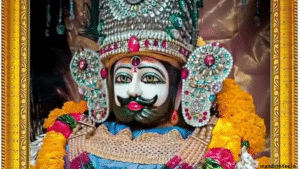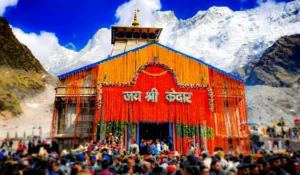
History and Legends
Hindu Belief (Bholenath / Lord Shiva): According to ancient lore, Goddess Parvati once lost her precious gem (“mani”) in this valley. Enraged, Lord Shiva unleashed the power of his third eye, making the ground tremble and releasing scorching hot water. This fiery surge brought the jewel back to the surface, creating the steaming springs and giving the place its name—Manikaran (derived from “mani” + “karan”)
Sikh Miracle (Guru Nanak Dev Ji): During his sacred journey, Guru Nanak Dev Ji performed a divine act—he lifted a stone, causing a hot spring to emerge, so his hungry disciple could have food. This holy miracle led to the establishment of the revered Gurudwara at this very spot.
The Sacred Valley of Manikaran
Nestled in the Parvati Valley, Manikaran holds a rare energy that attracts seekers, travelers, and devotees alike. What makes it different? Unlike ordinary pilgrimage sites, here, faith literally boils beneath your feet. The natural hot springs of Manikaran are believed to carry the blessings of Lord Shiva and Goddess Parvati.
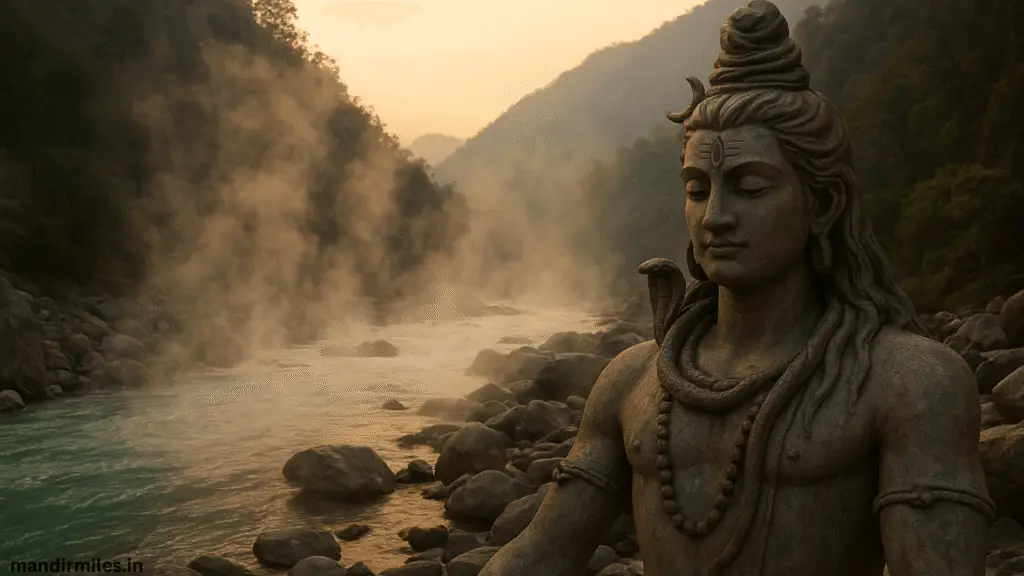
The Legend of Shiva’s Jewel
The name Manikaran itself comes from a story etched in time. According to legend, Goddess Parvati once lost her precious mani (jewel) in the river. Distressed, she turned to Lord Shiva. To console her, Bholenath struck the earth with his trident, and from that strike, hot springs burst forth. Since then, this valley is believed to be infused with their divine presence.
Was it just a myth, or could the very ground here be carrying the echoes of Shiva’s cosmic energy?
The Miracle of the Hot Springs
At Manikaran, water boils at temperatures high enough to cook food — rice, pulses, and even prasad for the devotees are prepared directly in these waters. Scientists explain it as volcanic heat trapped under the earth’s crust, but locals believe it is Shiva’s fire blessing the valley with eternal warmth.
Manikaran: A Meeting Point of Faiths
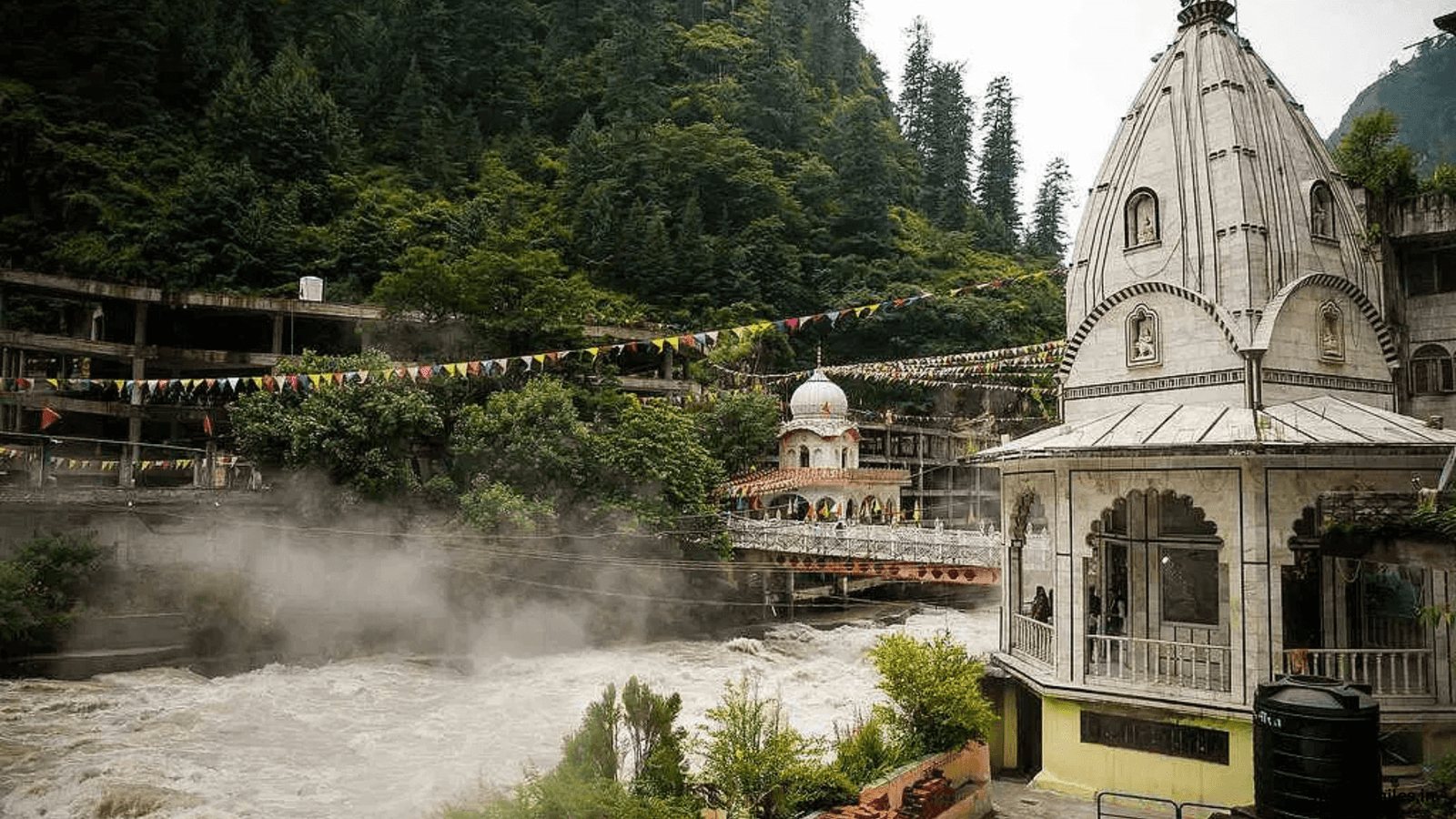
What makes Manikaran unique is its harmony. Side by side, you will find an ancient Shiva temple and a revered Gurudwara. Here, Hindus and Sikhs share the same sacred waters, proving that faith has no boundaries.
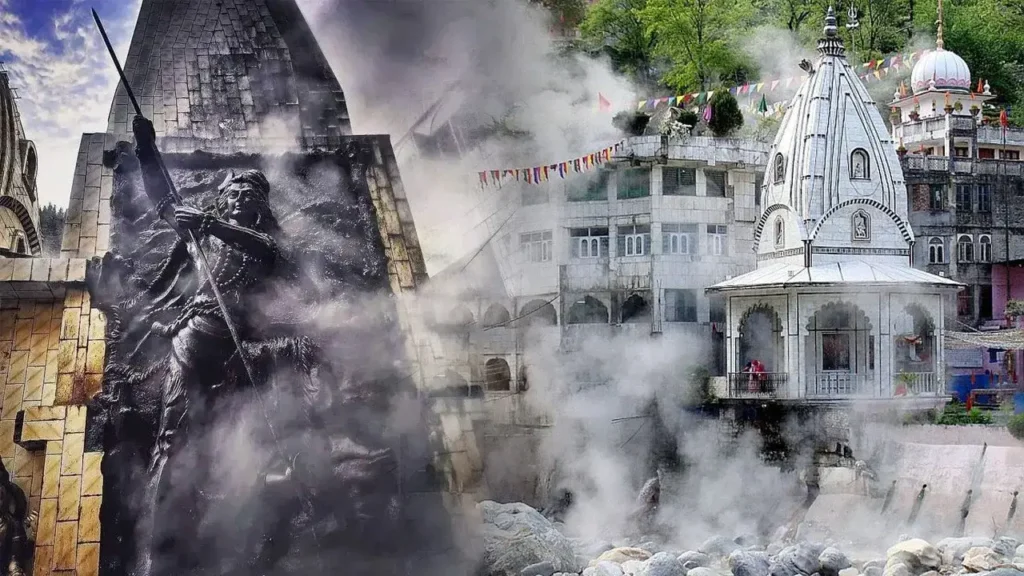
This photograph unveils the soul of Manikaran Sahib, where devotion ascends with the mystical vapors of its eternal hot springs. To the left, an awe-inspiring relief of Lord Shiva rises, his trident symbolizing timeless protection over the sacred valley. To the right, the gleaming white dome of the temple glows in calm dignity, veiled by swirls of steaming mist rising from the earth. The atmosphere feels otherworldly — a sacred harmony of natural wonder and divine presence, reminding every pilgrim that in Manikaran, spirituality and science breathe as one.
- Where steam meets silence, and faith flows like fire — Manikaran breathes the soul of Bholenath.
- Amid the mist of sacred springs, Shiva’s presence whispers through every cloud of vapor.
- In Manikaran, the earth boils, hearts heal, and devotion rises with the steam.
- The valley where science surrenders, and spirituality takes form in every drop of sacred heat.
- Here, the hot springs are not just water — they are Shiva’s eternal warmth made visible.
Beyond Rituals — A Spiritual Experience
Visiting Manikaran is not just about dipping into hot springs. Pilgrims say the warmth of the water feels like the embrace of Bholenath himself — soothing, healing, and deeply transformative. Many claim their ailments ease, and their hearts feel lighter after a single dip.
The Secret Energy of the Valley
Sages say Manikaran is a place where the earth’s energy lines converge, creating a portal for spiritual awakening. Scientists speak of tectonic plates and geothermal activity, but seekers feel it as a vibration that awakens silence within.
Because they are tied to the legend of Lord Shiva and Goddess Parvati, and the water is believed to be infused with divine blessings.
Yes! Devotees prepare rice and dal wrapped in cloth or utensils, and the boiling water cooks it within minutes.
It is seen as a place of healing, energy purification, and direct connection with Lord Shiva (Bholenath).
Geologists believe the heat comes from geothermal activity beneath the earth’s crust.
Because it houses both an ancient Shiva temple and a Gurudwara, uniting two faiths in one sacred land.